



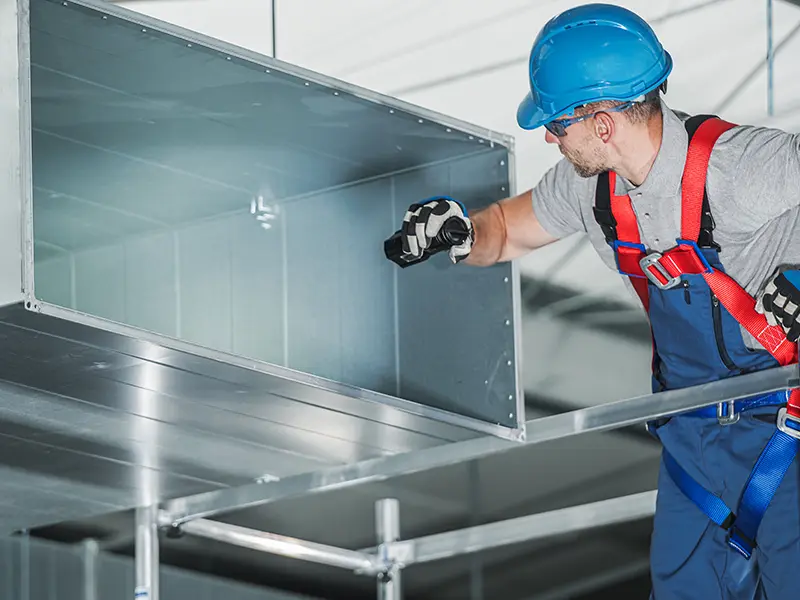
Professional Duct Cleaning Service in Nepal | Fabrication & Air Conditioner Solutions

A good air conditioner matters but indoor comfort does not start and end there. Air quality cooling efficiency and how air moves in a building are strongly linked to the duct system. If ducts get dirty have damage lack proper insulation, or are put in the wrong way, the result can be poor comfort higher energy use and weaker HVAC results.
That is why duct cleaning service in Nepal is part of routine building care. Along with cleaning ductwork that is planned well and fabrication that is done right helps in many settings. This includes homes offices hotels restaurants hospitals and other commercial and industrial sites.
If you are working in western Nepal duct fabrication service in Pokhara can also build ductwork for your building needs. Services can cover fabrication and fitting, then follow up with duct cleaning and air conditioner related solutions. This full support can make indoor spaces feel better and work more efficiently.
Professional duct services are important
Ductwork moves heated or cooled air from an HVAC or air-conditioning system to rooms across a building. Most of the time, ducts sit above ceilings, run inside walls, or are placed in utility spaces. Even though they are out of sight, their state can change how a home or office feels inside.
Dust and debris can build up inside duct systems over time. Bits from construction work can also get trapped. On top of that, duct leaks, broken joints, weak insulation, and poor setup can all hurt how well the system runs.
A duct service team can deal with these problems by doing the following:
- Deep duct cleaning
- Making duct sections to fit as needed
- Installing ductwork correctly
- Adding insulation and sealing gaps
- Checking airflow and pressure
- Helping with air-conditioning fixes
- Doing regular checks and upkeep
When ducts are maintained well, air moves more smoothly. That also helps HVAC equipment do its job with less strain.
Duct Cleaning Service Nepal: Helping Homes Breathe Easier
Clean indoor air matters more each year for people who own or manage homes and business spaces. In many buildings, HVAC systems move the air again and again. Because of that, routine upkeep becomes part of good building care.
A duct cleaning team works on dust and debris that build up inside the duct paths. They usually focus on the parts that can be reached, along with nearby HVAC pieces. Based on the setup and how dirty things look, the work may cover supply and return ducts. It can also include vents, grilles, and other related sections.
Still, duct cleaning is not a quick fix that fits every case. How often you should clean depends on where the building is used, what the air is like nearby, and whether renovations happen. It also depends on how busy the building is day to day and on the current state of the HVAC system.
Signs Your Air Ducts Could Use Attention
A few clues can point to the need for a check-up of your duct work. For example:
- You see dust collecting near air vents
- The air flow feels weak or does not match from room to room
- Dust builds up faster than it should inside your home
- You notice odd smells coming from the vents
- You recently had construction or a remodel
- Your HVAC system has gone a long time without service
- A commercial HVAC setup looks neglected or not kept up
When you spot these issues, it helps to have a trained technician inspect the system. They can tell you if duct cleaning makes sense or if another kind of HVAC care is the better option.
Tailored Duct Making for Airflow That Works
Each site has its own floor plan, ceiling height, room setup, and cooling load. Off the shelf duct parts do not always match what the job needs. That is why custom duct fabrication matters.
With a duct fabrication service in Pokhara, teams can get duct sections built to the exact project needs. This helps contractors and property owners set up an HVAC system that fits the space they have.
Custom ductwork is often made for places like these:
- Residential homes
- Hotels and dining venues
- Workplaces and offices
- Shops and other commercial areas
- Clinics and hospital spaces
- Schools and training centers
- Warehouses and industrial units
- Big HVAC projects
The work usually takes care of key items such as size, airflow targets, material choice, insulation needs, how pieces join, and the conditions at the install site.
Duct design matters more than many people expect. It is not just about shifting air in one direction. The key is how the air spreads through the entire place.
When ducts are set up poorly, you can run into trouble. Some rooms may get too cold while others lag behind. The fan or blower may sound louder than it should. Air can move less well because of pressure loss. You may also see higher power use. Bad bends, ducts that are the wrong size, long duct paths, and leaky joints are common causes.
Start with a careful plan. Check the building layout and the HVAC needs before any duct work begins. Clear measurements and a step-by-step prep help avoid delays. They also let the duct system line up with the air-conditioning equipment, so the system runs closer to how it is meant to run.
Duct Air Conditioner Work for Newer Buildings
Air conditioners matter more these days in homes, offices, hotels, clinics, and other commercial spaces. Still, picking the right unit is not the only step toward good cooling.
In ducted systems, the outdoor unit and the duct run have to match each other. The ducts shape how air moves through the building.
A full duct air conditioner service can include several tasks:
- Site check: review the building layout and the cooling needs
- System plan: choose airflow paths and where ducts should run
- Duct build: make duct parts based on the approved plan
- Setup: link ducts and HVAC parts the right way
- Insulation and sealing: reduce heat gain or loss and limit leaks
- Test and fine tune: confirm airflow and that the system works as expected
- Care over time: keep the equipment running well
When these steps are handled together, the project often stays more organized than working on each piece one at a time.
Duct work should not be treated like an afterthought.
Ducts run through places like attics, ceiling spaces, and service areas. Those spots can be much hotter or colder than the rooms you want to cool. If the ducts are not insulated, heat can move in the wrong direction. That can lower how well the air system works.
Leaks are a second issue. Small gaps can form at joints and at where parts connect. When that happens, the cooled air can slip out before it reaches the planned rooms.
Because of this, insulation and sealing matter for duct performance. The right insulation type and sealing approach should be chosen based on the building, the local weather, the duct layout, and the rules for the specific job.
Benefits of Getting Ducts Made and Set Up by Pros
Going with ducts that are made and installed by trained teams can bring real, everyday value.
- Use Space More Wisely
Duct sections can be built to fit the spot you have. That helps when you have beams, walls, and other building systems in the way.
- Move Air More Evenly
When the duct path is planned well, conditioned air can reach each room or zone in a steadier way.
- Keep the Job Neat
When fabrication is measured right and joints are made correctly, the HVAC setup tends to look cleaner and stay more orderly.
- Count on the System Longer
Good parts, sound fabrication steps, and careful fitting can help the ductwork last for years.
- Make Checks and Repairs Simpler
If the layout is done with access in mind, inspections and routine maintenance are easier. This matters even more in commercial spaces where HVAC work is frequent.
Choosing a Duct Service Provider in Nepal
When you look for a company for duct cleaning, duct making, or air-conditioning work, don’t focus on cost alone. The real results often depend on how well they check your system, how they do the job, and what materials they use. Their technical skill matters too. After service support is also important.
Before you sign with anyone ask a few direct questions:
Do they understand what your building needs for HVAC?
Will they make ducts based on your design, not a generic plan?
Do they check the ducts and the system before suggesting cleaning?
What insulation and sealing methods do they use?
Can they work on ductwork and handle air-conditioning needs as well?
After the work is done, do they offer maintenance or technical help?
Can they explain what they will do in a clear way?
A good company should look at your project first. They should not push the same solution for every building.
Air Duct Maintenance: Worth Doing Over Time
Air ducts often get ignored since you rarely see them. Still, ductwork is part of how an HVAC system works so what is inside matters.
A simple check now and then can spot issues early. If dust or debris builds up, cleaning can help. It is also smart to look at seals and insulation, since small gaps can affect how well the system runs.
In a business setting, this kind of upkeep can lower the odds of sudden HVAC problems when you need heating or cooling most. In a home, it can make indoor comfort feel better and keep the cooling system working as it should.
How often you maintain the ducts depends on the building type. It also depends on the HVAC setup, the local environment, and how much the system is used.
A great indoor climate plan takes more than just putting in an air conditioner.
There is duct planning, duct making, insulation work, the fit-up, air balancing, cleaning, and routine care. All of it has to line up.
If you are starting a new project in Pokhara, or you need to improve a shop or office space, it helps to have a clear HVAC plan. Even if you need duct repair and upkeep in other parts of Nepal, the steps should be set out first.
With made-to-fit ductwork, proper cleaning, and full air-conditioning services, you can keep indoor comfort steady over time.
FAQ
1. How often do air ducts need cleaning?
There is not one set timetable for every place. How often depends on how the building is used, what the indoor air is like, any past remodeling, how much dust settles, and how well the HVAC system is running. A basic check first can show whether cleaning is truly needed.
2. What happens during duct cleaning by a professional?
A service team usually checks the parts of the duct system they can reach. Then they remove dust and other buildup with the right tools and steps. The amount of work can change based on the duct layout and its current condition.
3. Why does duct fabrication need to be tailored?
Custom fabrication means the ductwork is made to match the building size and the HVAC needs. This is often helpful when there is low ceiling space, when beams or other parts get in the way, or when the floor plan is not simple.
4. Can duct issues change how well an air conditioner works?
Yes. Ducts that are poorly fitted, leaking, broken, or not insulated well can disrupt airflow. That can lower the overall performance of a ducted air-conditioning setup.
5. Do ducts really need insulation?
In many HVAC situations, insulation matters. It helps limit unwanted heat movement between the duct and the areas around it. The best choice depends on the system type and how it was installed.
6. What should you check in a duct service company in Nepal?
Focus on hands-on technical skill, solid workmanship, proper materials, correct measurements, and straightforward talk. You also want a team that offers plans for your building, not the same generic advice for everyone.
Final Thoughts
A duct system that is neat, well laid out, and installed correctly can help your indoor heating and cooling work better. It matters for homeowners who want steady comfort, not surprise breakdowns.
If you need duct upkeep, custom fabrication or a full air-conditioning job, planning ahead makes things go smoother. A pro plan can prevent many avoidable problems.
When you use a trusted duct cleaning service in Nepal and an experienced duct fabrication service in Pokhara, you get a more direct way to handle HVAC needs. You do not have to wait until airflow drops, dust builds up, or the cooling starts to fail.
For both new builds and older properties, the aim is straightforward. Keep the air moving cleanly, improve the duct setup, and keep indoor spaces comfortable.