



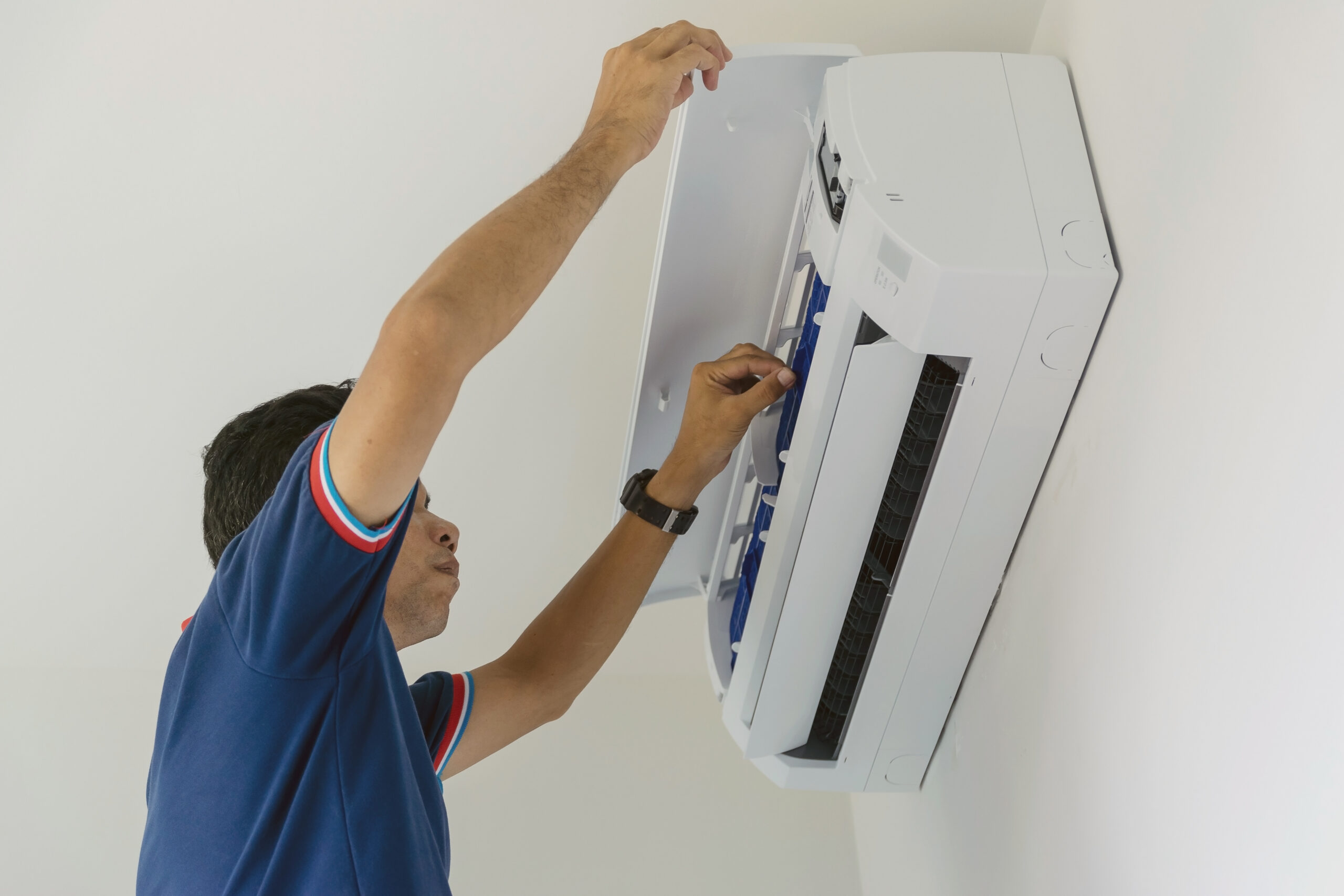

A working air conditioner matters when the days get hot. It keeps rooms cooler and makes indoor life more pleasant. Over time, an AC may start to act up. This can happen after long use, or when dust builds up. Electrical faults can also cause trouble, and parts can wear out with age. If you respond early, a minor problem may not turn into a bigger costly failure.
If you live or work in Pokhara, you may need solid AC repair support. Many kinds of places rely on cooling systems, such as homes, offices, retail stores, and hotels. A skilled technician can spot the real source of the issue. After that, they can fix damaged parts and share basic tips for care and upkeep.
Use this guide to learn about common AC faults. It also covers when to call a technician, what the repair steps usually look like, and how to pick a dependable AC repair service in Nepal.
Regular AC care and tune ups matter
Some homeowners wait until the unit fails. Then they call for help. Yet small checks ahead of time can catch issues early.
When an AC gets routine attention, it often delivers better results like these:
- Cooler air that feels steady
- Airflow that stays even
- Lower energy use
- Less surprise breakdown time
- More years from the same unit
- More comfort inside
Over time, dust and grime build up. They collect on filters, coils, and other key parts. If you skip cleaning, the system may need extra power to reach the same cooling level. That can raise your electric bill and wear out the equipment faster.
AC issues you might notice
Before you call a technician, it helps to know what can go wrong. Here are a few common situations.
- The AC runs, but it will not cool well
This is a top complaint. The fan turns on, but the room stays warm. Causes can include a dirty filter, air getting blocked, refrigerant trouble, a bad thermostat setting, or a part that is not working right.
A technician should check the full system. Simply topping off refrigerant does not fix the true cause if another fault is already present.
- Odd sounds from the AC
You might hear clicks, a buzzing tone, grinding sounds, rattling, or a low hum. Some of these noises can start inside the unit. Others can come from wiring or loose connections. If you keep running the AC while it is making these sounds, the issue can get worse over time.
If the noise starts suddenly or gets much louder, shut the unit off right away. Then have it checked.
- Water inside the room
If you spot water dripping where it should not be, the drain line could be blocked. This can also happen if the filter is dirty. Another cause is a coil that has frozen up. In some cases, the drainage path is the problem. A steady leak can stain walls and floors. It can also wet nearby items, including furniture.
A tech can look at the drain area and track where the water is coming from.
- Air feels weak
The AC may lower the room temperature, but the air coming out may feel light or not strong. It can seem like the flow drops. A clogged filter is a common cause. Another is a blower that is not working well. Problems with ducting or other inside parts may contribute too.
A proper cleaning and a careful look inside the unit can often bring the airflow back.
- AC Keeps Switching On and Off
If an AC keeps starting and stopping, it can be due to a bad thermostat, blocked airflow, wrong settings, or another fault. This back and forth can waste power and add strain to the compressor.
How AC Repairs Are Usually Done
Most AC repair shops in Nepal use a clear step plan. They do not jump to part replacement right away.
Step 1: First Check
The technician looks at the unit and how it runs. They also check airflow, filters, wiring, and any parts that are easy to see.
Step 2: Find the Cause
After the first check, the technician tries to spot what is really wrong. They may test the thermostat, compressor, fan motor, drain line, electrical parts, and the refrigerant side.
Step 3: Share the Fix Plan
When the cause is found, the technician explains what needs to be done. If a part must be changed, the customer should hear what part is needed and what the cost will be before the repair starts.
Step 4: Fixing or swapping the part
The damaged component is repaired or changed based on what is needed. The technician should pick the correct parts and, when possible, stick to the maker’s instructions.
Step 5: AC check after the work
Once the repair is done, the AC needs a test run. This confirms that cold air, fan movement, temperature settings, and the other settings are all acting normally.
Step 6: Simple maintenance tips
A good technician may also share ways to help you keep the AC running well. This can include cleaning the filter, using sensible temperature levels, and planning regular service at the right times.
How to pick a trustworthy AC repair service in Pokhara
You should choose the right person, since a wrong fix can lead to new issues. It can also reduce how long the AC lasts.
Think about these points before you hire a service provider:
Review Technician Background
Choose a technician who has worked on your exact AC type and model. One system may need a different fix than another.
Explain the Issue Up Front
A solid technician should clearly state what is not working and what the plan is to fix it. Be careful with anyone who suggests costly replacement before they check the unit.
Go Over the Fees First
Before you say yes to a big job, ask what the price includes. Confirm costs for the visit, labor, parts, and any other items that could come up. This keeps surprises from happening later.
Check How Fast They Can Arrive
When an AC fails, it can disrupt work and daily life. For offices, hotels, stores, and homes, a company that can respond quickly is a big help.
Ask About Follow-Up Help
Find out what happens if the same problem comes back soon after the repair. Ask if the work is covered by a warranty, and what the coverage includes.
AC Repair or AC Replacement: Which One Fits?
You might not need a full replacement just because your AC is not acting right. Some issues can be fixed. For example, dirty filters, clogged drainage, minor electrical problems, or a few part failures may be repairable.
That said, a new unit can make more sense in certain cases. If the system is very old, you are calling for service again and again, or there is a big component failure, replacement may be the better move. If the unit runs but does not cool well and uses more energy than it should, that is another sign.
The right choice comes down to a few facts. Think about how the system is doing now, its age, what repairs would cost, how much energy it uses, and how much longer it is likely to last. A check by a trained technician can help you decide.
Home AC Maintenance Ideas for Homeowners
Routine care helps lower the odds of sudden breakdowns.
Try these basic steps:
- Swap or clean your air filters on a regular schedule.
- Keep the indoor and outdoor units free of heavy dust.
- Do not cover or block the area around the unit where air needs to move.
- Keep the space around the outdoor unit clear and easy to reach.
- Avoid very low thermostat settings unless you truly need them.
- Watch for odd noises, strange odors, or water on the ground.
- Book a professional tune up when it is time.
- Fix small faults early, before they turn into bigger ones.
- Have a trained HVAC technician look at your air conditioner. This is the safer path.
Trying to do it yourself can turn bad quickly. An AC has electrical wiring and parts that move, and that can lead to shocks or burns. It also uses refrigerant that stays under very high pressure. If you do not have the right tools and you skip steps, you can harm the unit. You can also end up injured.
A technician brings the right equipment and follows the correct steps. They check the full system and focus on what is going on, not just what seems wrong. If a problem is found early, the fix is often less involved. They can also catch early wear or small damage that people often miss.
This goes for house units too, and it applies to bigger building systems as well. Regular visits help your cooling run steady and last longer in the way it is meant to.
Frequently Asked Questions (FAQ)
How do I know if my AC needs repair?
Common signs include poor cooling, weak airflow, unusual sounds, water leakage, unpleasant smells, frequent on-and-off cycling, or an AC that does not start properly. If these problems continue, professional inspection is recommended.
How often should an AC be serviced?
The ideal service frequency depends on usage, environment, AC type, and manufacturer recommendations. Regular cleaning and inspection can help maintain performance and identify problems early.
Why is my AC running but not cooling?
Possible reasons include a dirty filter, restricted airflow, thermostat problems, refrigerant-related issues, or a faulty component. A technician should diagnose the actual cause before repair.
Is AC water leakage a serious problem?
Water leakage should not be ignored. It may result from a blocked drain, dirty filter, frozen coil, or another issue. Early inspection can help prevent further damage.
Should I repair an old AC or replace it?
It depends on the AC's age, condition, repair cost, energy efficiency, and frequency of breakdowns. A professional technician can assess the system and help you compare repair and replacement options.
Can I repair my AC myself?
Basic tasks such as cleaning an accessible filter may be suitable for homeowners. However, electrical, refrigerant, compressor, and internal component repairs should be handled by trained professionals.
What should I check before hiring an AC repair technician in Pokhara?
Check the technician's experience, service charges, availability, repair process, replacement-part quality, and after-service support. Clear pricing and proper diagnosis are also important.
Final Thoughts
After that, check the outdoor part. Look for wet areas. Search for stains on the casing or near the unit. Do you see drops, dark marks, or clear leak signs? Also watch how it cycles. If it turns on and off again and again, that is a red flag.
In Pokhara, you can reach local techs who fix AC units. They often find problems sooner than you might. If you arrange AC Repairing Services in Pokhara, ask how long they have done this kind of work. Get the full price before any work starts. Have them say the cost in plain terms. Also ask what parts they will use, and confirm the plan up front. If you review the setup at the start, the job usually goes smoother. After the service, do simple care to help it keep working well.